2025
12-26
VSCode DejaOS Plugin v1.0.37 released
- Improved compatibility for killing Node processes on Windows, ensuring stable plugin operation across different environments.
- Resolved an issue on macOS where the plugin failed to detect Node despite it being installed, caused by environment PATH limitations.
12-24
Added dxScreenshot module
Added dxScreenshot module: A high-level screenshot helper that enables capturing and uploading UI screenshots via simple interactions like double-clicking, streamlining remote diagnostics.
12-20
Fingerprint Recognition Modules: Complete Solutions for Identity Verification
DejaOS now provides comprehensive fingerprint recognition capabilities through two powerful modules: dxFingerZaz and dxFingerMz. Both modules enable developers to implement secure, reliable fingerprint-based authentication systems with ease.
Overview
Fingerprint recognition is one of the most widely used biometric authentication methods, offering a perfect balance between security and convenience. Both modules communicate with fingerprint recognition hardware via UART serial port.
Two Powerful Modules
dxFingerZaz Module The dxFingerZaz module uses ID-based identification (range 1-5000) and provides 3 RAM buffers for flexible fingerprint processing. Key features include:
- Independent Finger Detection: Dedicated
fingerDetect()function. - Flexible Feature Merging: Supports merging 2-3 captures for improved accuracy.
- Universal Image Capture: Single
getImage()function for all use cases. - Complete Management: Full template storage, loading, upload, and download capabilities.
dxFingerMz Module The dxFingerMz module uses Page Index-based identification (range 0-65535) and provides 2 character buffers. It offers advanced automation features:
- Auto Registration: One-click registration process.
- Auto Identification: Automatically completes capture, extraction, and library search.
- Dual Capture Modes: Separate functions for verification (
getImage()) and enrollment (getEnrollImage()). - Large Capacity: Supports up to 65,535 templates.
Use Cases
Ideal for Access Control Systems, Time & Attendance, Device Authentication, and personal identification.
For detailed API documentation, please refer to our Fingerprint Recognition Development Overview.
UI Animation Examples: Enhancing User Experience with LVGL Animations
LVGL supports a wide variety of animation effects, providing developers with powerful tools to create smooth and engaging user interfaces.
Three Animation Examples
We've prepared three distinct animation examples showcasing different techniques:
Example 1: LVGL-Based Animation This example demonstrates how to create smooth animations using LVGL's native animation functions.
Example 2: GIF-Based Animation with Playback Control This example shows how to implement animations using GIF images, with the capability of pausing and resuming playback.
Example 3: Advanced LVGL Animation This example showcases more advanced animation techniques using LVGL's complex motion patterns and transitions.
For detailed information, please refer to our UI Animation documentation.
12-02
DejaOS 2.1.0 Released: Enhanced System Management, Faster Code Sync, and Improved Face Recognition
We are excited to announce the release of DejaOS 2.1.0! This version brings significant improvements in system management, development efficiency, and facial recognition performance.
1. Upgraded System Management App
The System Management App has been completely redesigned, transitioning from a PC tool-based management mode to a modern device-side interface management mode.
New Version: Device-Side Management (With Interface)
- Easy Access: Long-press anywhere on the screen during the 2-second gray startup background to enter.
- Intuitive Interface: Four core modules including Network Config, Sys Info, System Config, and Install App.
- Remote Web Management: Built-in Web server allows remote management via browser.
- Faster Operations: Eliminates serial cable bottlenecks.
For more details, please refer to the System Management App documentation.
2. Dramatically Improved Code Sync Speed
Code sync speed has improved by approximately 10x compared to version 2.0.0, making the development workflow much more efficient.
3. Updated Facial Recognition Base Library
The facial recognition foundation has been updated with enhanced stability and speed, optimized algorithms, and better resource management.
11-13
Major Upgrade: The All-New Facial Recognition Component, dxFacial, is Officially Released!
We are excited to announce a landmark major upgrade to DejaOS's facial recognition capabilities! The old dxFace component has been refactored into the new dxFacial.
Core Improvements in dxFacial
-
Extremely Simplified, Clear, and Easy to Use API redesigned to hide non-essential parameters. You can quickly implement a complete application with just a few simple functions.
-
A Leap in Performance and Stability Significant improvements in recognition speed, resource consumption, and long-term operational stability.
-
Comprehensive Documentation Support New series of Facial Recognition Development Overview documents.
Device Adaptation Progress
Successfully adapted to all mainstream devices: VF202, VF203, VF114, VF105.
09-10
DejaOS VSCode Extension Now Supports macOS
The latest version of the DejaOS extension now natively supports macOS via the HID (Human Interface Device) protocol.
Usage Notes
Our devices use the standard HID protocol, which means you don't need to install any extra drivers. The system will automatically recognize it.
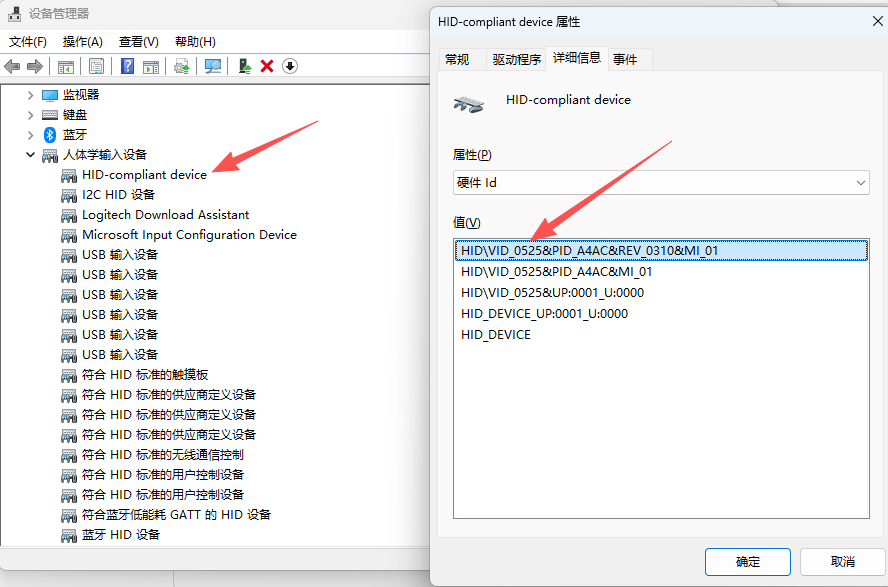
On some macOS systems, you might see a prompt: "HID Device Not Ready. Please retry after about 30 seconds." This is normal as the HID service initializes.
08-25
DejaOS Module Evolution: Enhancing the Developer Experience
We recently launched a long-term module iteration plan to unify interface specifications and enhance ease of use.
Brand-New Modules for a Smooth Transition
New modules with unified interfaces replace old ones (marked as "deprecated" but remain available for compatibility):
dxHttpClient→dxHttpdxHttpServer→dxWebserverdxMqttClient→dxMqttdxNetwork→dxNetdxBarcode→dxCodedxConfiguration→dxConfigdxAudio→dxAlsa,dxAlsaplaydxOs,dxCommonUtils→dxCommon
Documentation Has Been Updated
Detailed API references and examples are available in the Official DejaOS Modules Documentation.
07-28
DejaOS VSCode Extension v1.0.32 Released
Focusing on improving the development experience, including error prompt optimization, default sync behavior adjustments, and bug fixes.
📁 Ignore All Directories Starting with .
Starting from v1.0.32, all directories starting with . (like .git, .vscode) are ignored by default to improve sync speed.
🧩 Detailed Prompts for .so File Loading Failures
Added friendly explanations and screenshots for ReferenceError: could not load module filename... errors.

Original error message

New prompt description
07-11
Boot Screen Background
Changing the Application Background
The application boot background is simply an image assigned to a dxui.Image control.
let screen_img = dxui.Image.build("screen_img", screen_main);
mainView.screen_img = screen_img;
screen_img.source("/app/code/resource/image/bk_90.png");
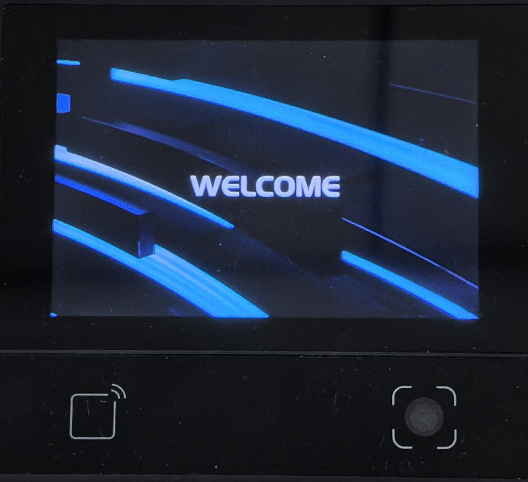
Replacing the Device Boot Background
The device boot background is a system-level resource managed by the firmware. Currently, we support customizing it during firmware image creation.
07-05
Initial Website Launch
Today, we're excited to announce the launch of the DejaOS official website built on the Docusaurus framework.
Overview
DejaOS started two years ago using QuickJS as the core, integrated with the LVGL graphics engine. It has been successfully deployed across card readers, access control systems, and facial recognition devices.
Official Website: https://dejaos.com
- Guide: Core concepts and setup.
- Modules: API usage for 40+ modules.
- Blog: Technical updates and articles.
- Showcase: Real-world cases and demos.